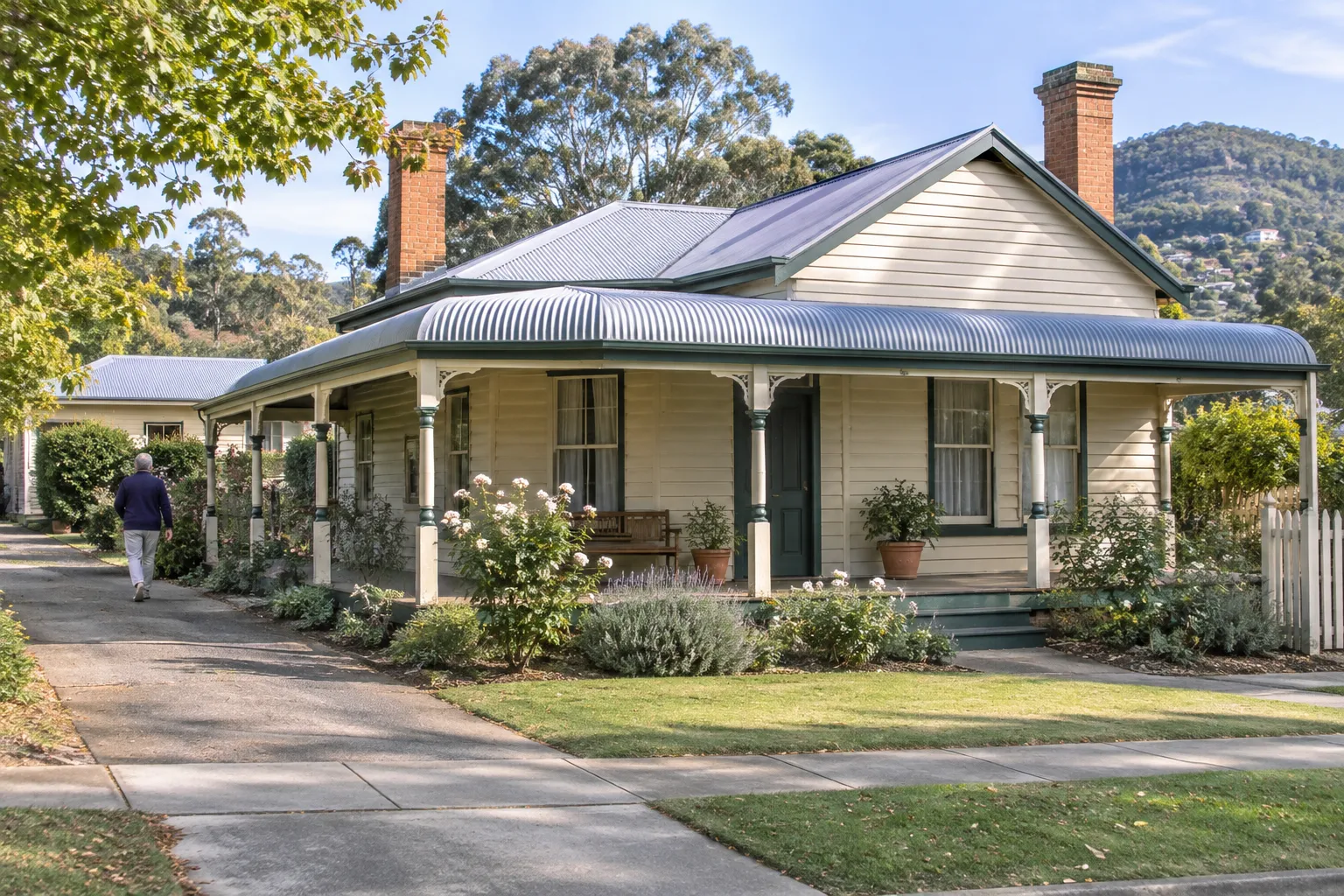
In most cases, yes. Enclosing a verandah with walls, windows or doors usually turns it into a room of the house, which generally needs approval in NSW, through a development application or a complying development certificate, and a building permit in Victoria. The NSW exempt rules for verandahs limit how much of the structure can be enclosed. Outdoor blinds that roll up are usually a different matter. For verandah styles and costs, see our main verandahs page.
Why does enclosing a verandah need approval?
An open verandah is treated as an outdoor structure. Once it has walls, windows and doors, it becomes part of the house, and has to meet the building rules for rooms: structure, weatherproofing, light and ventilation, energy efficiency, and fire separation from boundaries. That's why enclosing usually needs approval, even if the original verandah didn't.
What can you do without approval in NSW?
The NSW exempt development rules for balconies, decks, patios, pergolas, terraces and verandahs set limits on enclosure, including a maximum height for any enclosing wall of 1.4 metres. So a low wall or balustrade can be fine, but full-height walls and windows that close the verandah in generally take it outside the exempt rules. Check the current standards before you start.
| Change to a verandah | Likely to need approval? |
|---|---|
| Roll-down outdoor blinds | Usually not |
| Low wall or balustrade | Possibly exempt, within the limits |
| Fixed screens on one side | Depends on size and height |
| Windows and doors all round | Usually yes |
| Turning it into a habitable room | Yes |
What about Victoria?
In Victoria, the VBA says verandahs themselves need a building permit, and enclosing one into a room is building work that needs a permit too. A registered building surveyor checks it against the building regulations. In heritage areas, such as Beechworth and Yackandandah under Indigo Shire's heritage overlay, a planning permit for external changes is also generally needed.
Do outdoor blinds count as enclosing a verandah?
Usually not. Outdoor blinds that roll up and down are generally treated as a fitting rather than a wall, so they don't turn the verandah into a room. They're the most popular way to add shelter from wind and winter cold without approval. Fixed, solid screens and glazing are more likely to count as enclosure. If unsure, ask the council.
What rules apply if you enclose a verandah into a room?
An enclosed verandah used as a room must meet the building rules for that use: a sound structure, a weatherproof roof and walls, enough natural light and ventilation, energy efficiency for glazing and insulation, and any fire separation needed near boundaries. The existing verandah roof and posts may need upgrading. A builder and certifier will check what's needed.
What are the alternatives to fully enclosing a verandah?
Outdoor blinds, café blinds and mesh screens give shelter from wind, rain and insects without walls. An insulated verandah roof keeps the space cooler in summer. Heaters and fans extend the seasons you can use it. These keep the verandah as an outdoor space, often without approval, and cost far less than an enclosure.
See verandah vs patio and deck and patio builders.
Questions people ask
Can I enclose my verandah without council approval in NSW?
Usually not fully. The NSW exempt rules limit enclosing walls on a verandah to 1.4 metres high, among other standards, so full walls, windows and doors generally need a development application or complying development certificate. Roll-down outdoor blinds usually don't. Check the current rules on the NSW Planning Portal.
How much does it cost to enclose a verandah?
It depends a lot on the size and finish. Published Australian sources put a basic enclosed alfresco or sunroom-style room from around $15,000, rising well beyond that for larger rooms, quality glazing and doors. Approval fees and any upgrades to the existing structure are extra. A written quote after a site visit gives the real figure.
Does an enclosed verandah add value?
An enclosed verandah that's approved and built to the rules for rooms can add useful living space, which buyers often value. An unapproved enclosure can do the opposite, causing problems when you sell. How much value it adds depends on the house, the quality and the local market.
Can you enclose a verandah in a heritage area?
Possibly, but it's harder. In heritage areas, external changes usually need a planning permit, and the council will consider how the enclosure affects the house and streetscape. In Beechworth and Yackandandah, Indigo Shire's heritage overlay generally requires a planning permit for external changes. Talk to the council early.
The rest of our guides start from deck builder albury.
Where these facts come from
Updated